Considering a career as a clinical technician? This comprehensive guide will walk you through everything you need to know about entering this rewarding healthcare field. From educational requirements and certification processes to career advancement opportunities, we’ll provide you with actionable insights to help launch your career in clinical technology. Whether you’re interested in becoming an EKG technician or exploring broader clinical laboratory roles, this guide will serve as your roadmap to success.
What is a Clinical Technician?
A clinical technician is a healthcare professional who plays a vital role in patient care and medical diagnostics. These specialists perform medical laboratory tests for the diagnosis, treatment, and prevention of disease, working with various body fluids and tissue samples while operating sophisticated laboratory equipment. Clinical technicians serve as the backbone of medical facilities, providing crucial support to doctors and other healthcare providers in patient diagnosis and treatment planning.
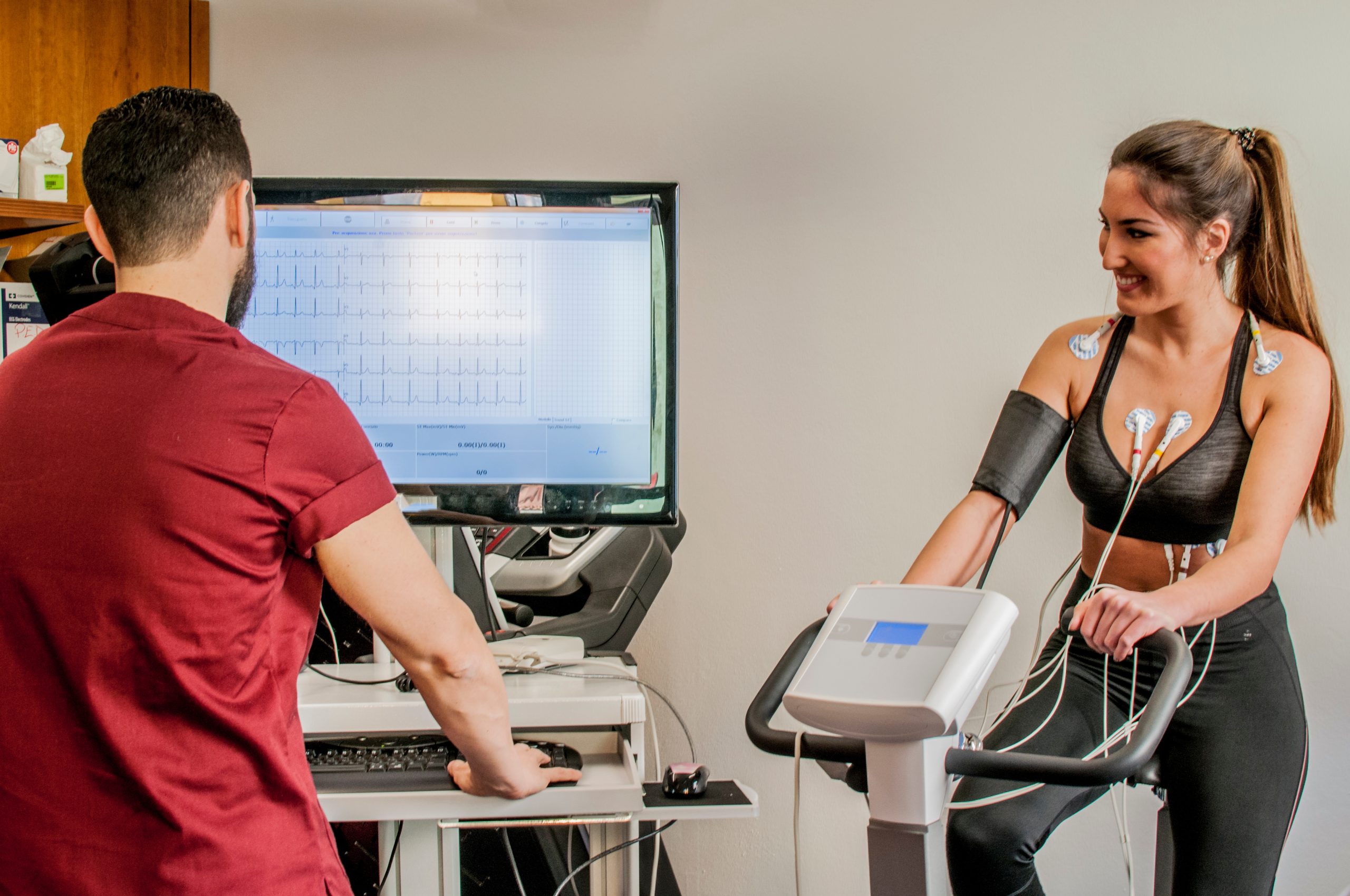
In this role, professionals perform a variety of essential tasks, including taking and recording vital signs, preparing patients for examinations, drawing blood, and recording EKGs. The work requires precision, attention to detail, and the ability to handle multiple responsibilities while maintaining high standards of patient care.
The path to becoming a clinical technician offers multiple specialization opportunities, from EKG technician training to phlebotomy certification. Understanding the requirements and steps to enter this field is crucial for anyone considering this career path.
New York State Requirements for Clinical Technicians
To work as a clinical technician or clinical laboratory technician in New York State, candidates must demonstrate comprehensive professional preparation through education and hands-on training. The field combines technical expertise with direct patient care, making proper credentials and training essential for success.
- Complete an accredited post-secondary program, such as our 600-hour* Clinical Technician program
- Obtain certification from recognized organizations like the American Medical Technologists (AMT)
- Complete required supervised clinical hours (includes 225 hours of internship)
- Pass criminal background checks and drug screening
- Maintain current CPR certification
- Complete continuing education requirements to maintain certification
The path to licensure requires dedication and attention to detail, but the rewards of joining this growing healthcare field make it worthwhile. With strong job security and advancement opportunities, successful clinical technicians can build rewarding, long-term careers in the healthcare field.
Steps to Become a Licensed Clinical Technician
The journey to becoming a licensed clinical technician involves several key steps:
- Complete a 600-hour* accredited training program
- Gain hands-on experience through clinical internships
- Obtain certification from recognized professional organizations
- Apply for state licensure
- Maintain ongoing professional development and certification
Education and training form the foundation of your career as a clinical technician. Let’s examine the educational opportunities available to help you achieve your career goals.
Education and Training Opportunities
Manhattan School of Computer Technology (MSCT) offers a comprehensive clinical technician program designed to prepare students for success in the healthcare field. The program combines theoretical knowledge with hands-on training, including vital skills like EKG technician training and clinical laboratory procedures. Students learn essential competencies through a carefully structured curriculum that aligns with industry standards and employer expectations.
The 600-hour* program at MSCT includes both classroom instruction and hands-on training in facilities equipped with modern medical equipment. According to industry data, medical facilities strongly prefer candidates with hands-on training experience[2]. This balanced approach ensures students develop both the technical expertise and professional skills needed to become a successful clinical lab technician.
Essential Skills for Clinical Technicians
Success as a clinical technician requires a combination of technical expertise and interpersonal abilities. These fundamental skills form the foundation of exceptional patient care and professional advancement.
- Technical Proficiency: Ability to operate specialized medical equipment and perform accurate tests
- Attention to Detail: Precision in recording and analyzing patient data
- Communication Skills: Clear interaction with patients and healthcare team members
- Problem-Solving: Quick thinking and effective decision-making in clinical situations
- Physical Stamina: Ability to stand for long periods and handle physical demands of the role
Mastering these skills opens doors to various career opportunities in the healthcare field. Let’s explore the different career paths available to qualified clinical technicians.
Career Paths and Opportunities
Graduates of MSCT’s clinical technician program can pursue various career paths in healthcare:
- Medical Assistant: Work directly with patients in clinical settings
- EKG Technician: Specialize in cardiovascular monitoring and testing
- Phlebotomist: Focus on blood collection and analysis
- Clinical Laboratory Technician: Perform complex laboratory tests and analyze results
These diverse career options offer stability and growth potential in the healthcare sector. With employment projected to grow 9% through 2033[1], qualified clinical technicians can look forward to strong job security and advancement opportunities.
Take Your First Step Toward a Healthcare Career
The field of clinical technology offers a rewarding career path with strong growth potential and diverse opportunities. From diagnostic testing to patient care, clinical technicians play an essential role in modern healthcare delivery.
MSCT’s comprehensive clinical technician program provides the education, training, and support needed to launch your healthcare career. With flexible learning options and expert instruction, you can complete your training and enter the workforce in as little as 600 hours*. Take the first step toward your new career – contact MSCT today to learn more about the clinical technician program and begin your journey in healthcare.
*Program length when completed in normal time
[1] https://www.bls.gov/ooh/healthcare/medical-records-and-health-information-technicians.htm